Sustain pressure in fight against corruption, EACC urges media
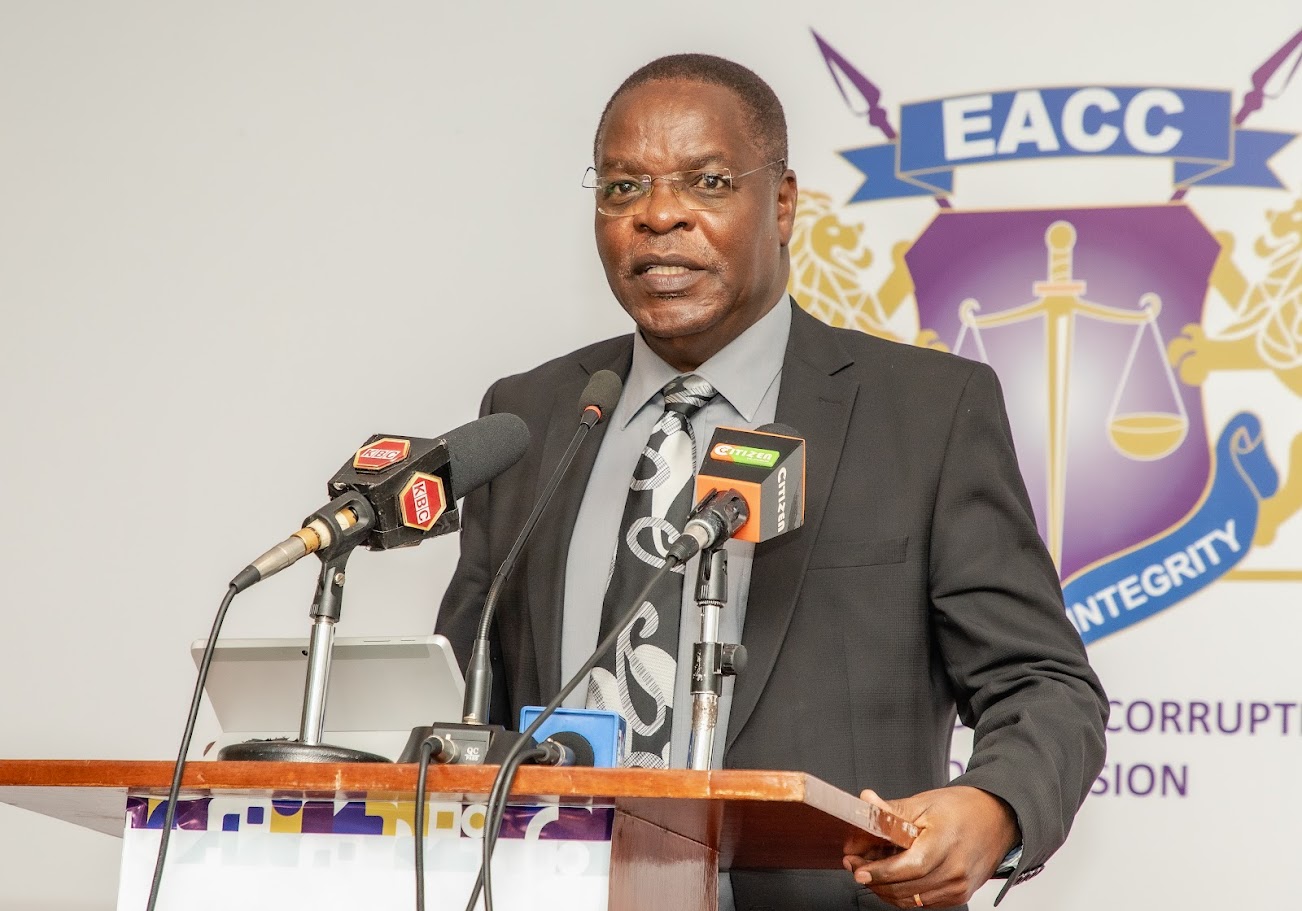
EACC Chairperson Dr. Oginde addressing practitioners at the workshop in Nairobi
15:04:2026: The Ethics and Anti-Corruption Commission (EACC) has called on media practitioners to play a more assertive and sustained role in shaping public accountability and combating corruption in the country.
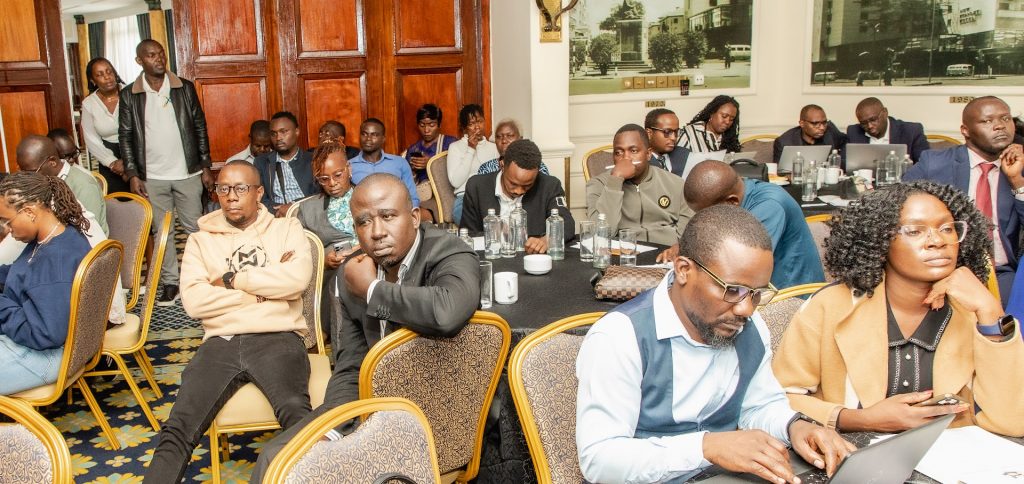
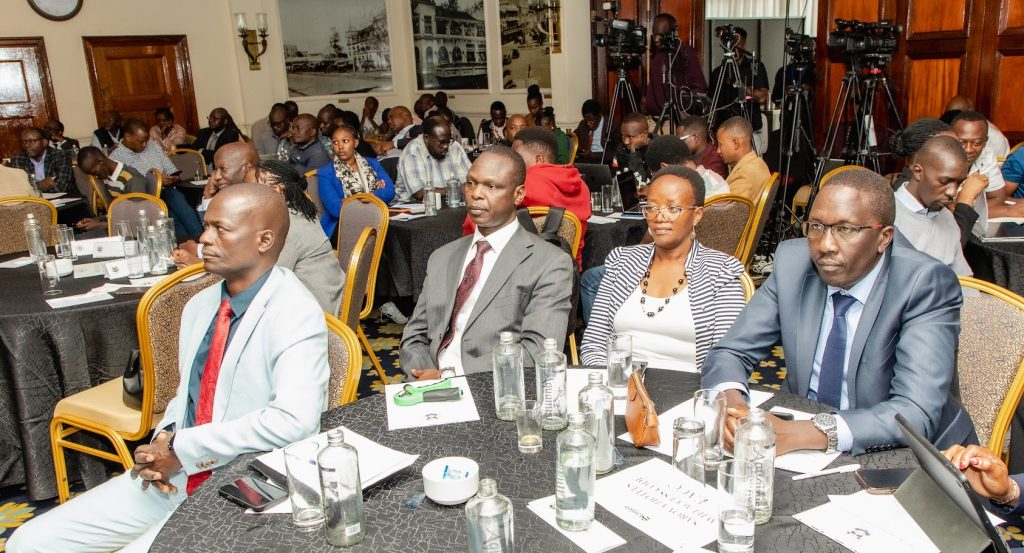
The call was made during a media practitioners’ workshop held on 14th April 2026, where stakeholders gathered to deliberate on strengthening collaboration between the Commission and the media in advancing the anti-corruption agenda.
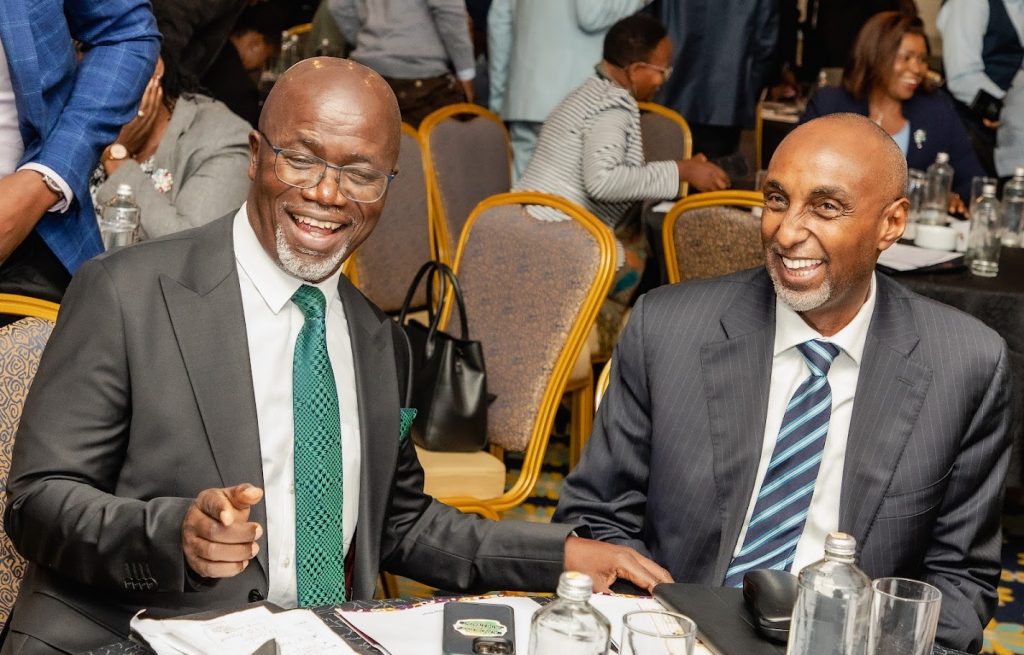
Opening the forum, Court of Appeal Judge, Hon. Patrick Kiage emphasized that while EACC bears the constitutional mandate to lead the fight against corruption, it cannot succeed without the active participation of citizens and the media.
“The media sets the national agenda and must keep corruption and its impact on wananchi an everyday conversation,” he said, urging journalists to simplify and amplify anti-corruption messaging to reach households across the country.
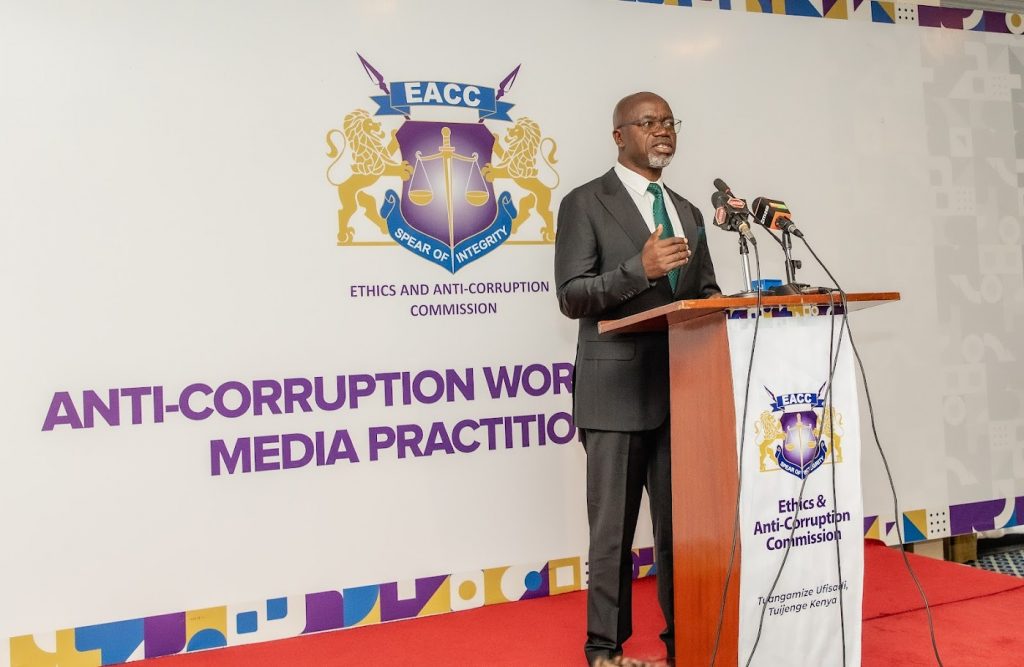
Justice Kiage noted that a vigilant media is essential in fostering accountability, citing its role in exposing procurement irregularities, conflicts of interest, and misuse of public funds, often triggering investigations and recovery of public assets. However, he cautioned that challenges such as political influence, ownership interests, and threats to editorial independence continue to undermine the media’s watchdog role.
He urged journalists to anchor their reporting in evidence, maintain independence, invest in legal literacy, and uphold professional integrity.
EACC Chief Executive Officer Mr. Abdi Mohamud underscored the importance of strengthening collaboration between the Commission and the media, describing journalists as “fearless allies and vigilant watchdogs” in the fight against corruption.
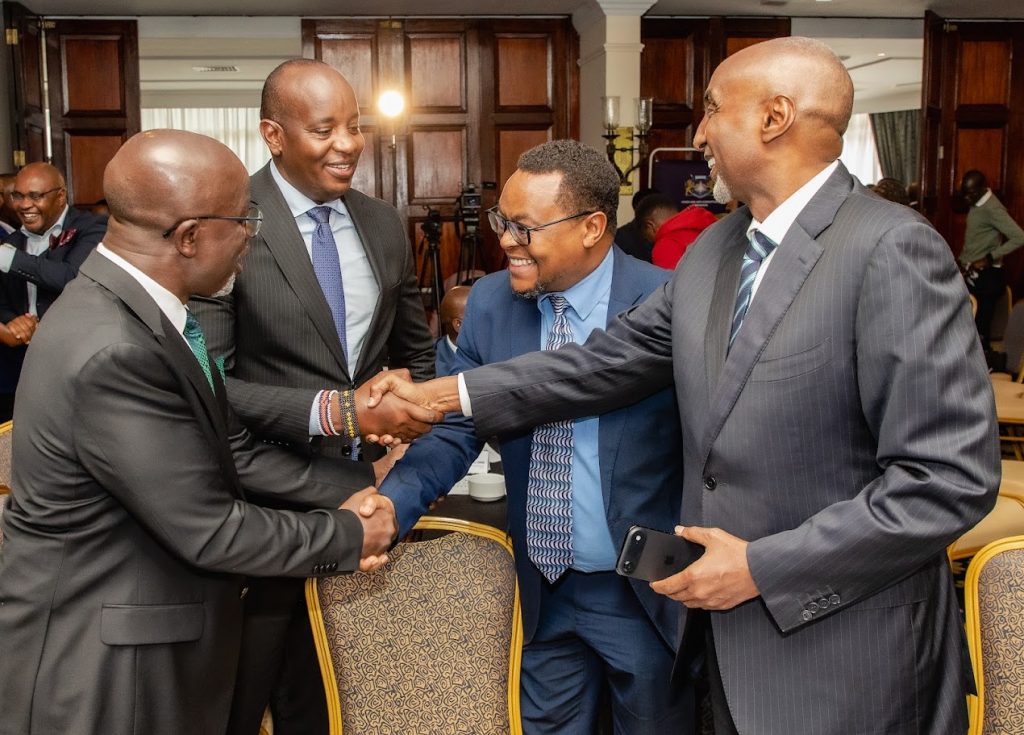
He highlighted the Commission’s preventive approach, noting that while arrests often dominate headlines, prevention remains key to safeguarding public resources. On the enforcement front, however, the CEO said the Commission has secured 72 convictions, filed 133 asset recovery suits, recovered assets worth KES 7.4 billion, and prevented potential losses amounting to Kes10.74 billion over the past three years.
“Each story you tell strengthens the fabric of integrity in our society,” he said, encouraging journalists to continue exposing wrongdoing and informing the public.
EACC Chairperson Dr. David Oginde emphasized that corruption fears exposure more than punishment, noting that sustained media scrutiny has historically driven reforms both globally and locally.
“The media does not just report events; it shapes outcomes,” he said, urging journalists to maintain pressure beyond headlines to ensure accountability.
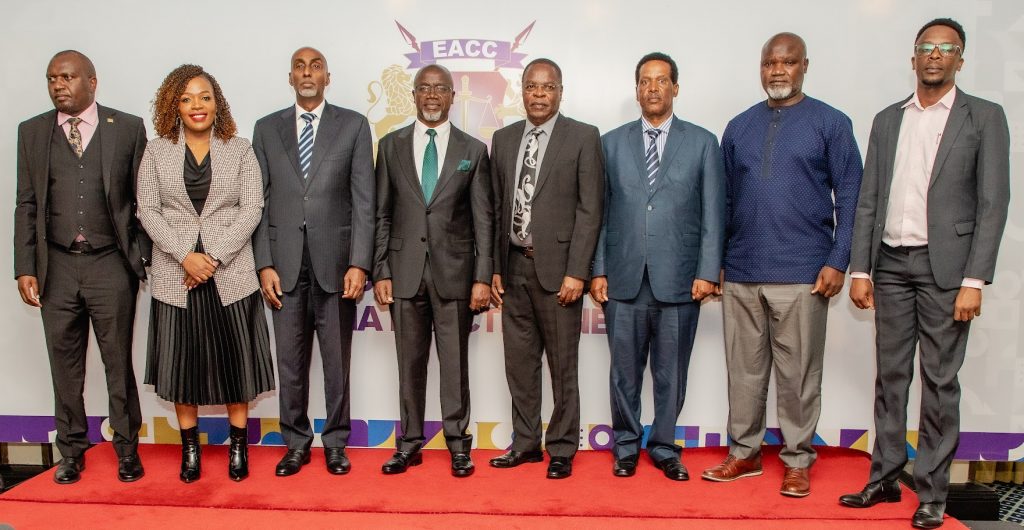
The workshop brought together key stakeholders in the media sector, including the President of the Kenya Editors Guild, Zubeidah Kananu; CEO of the Media Council of Kenya, David Omwoyo, President of The Africa Editors Forum, Churchill Otieno; and Chairman of Crime Journalists Association of Kenya, Joseph Muraya.
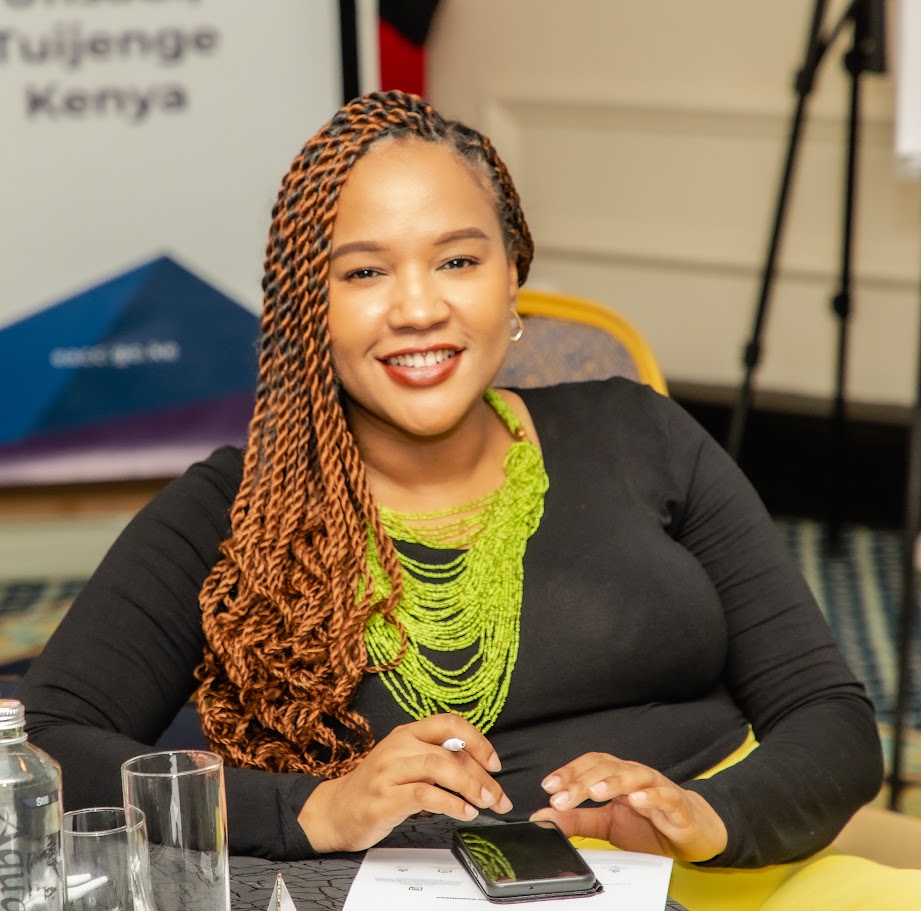
Sessions focused on the Commission’s preventive mandate, the media’s watchdog role in combating misinformation and corruption in the digital era, and emerging jurisprudence on corruption and impunity.
Participants also engaged in plenary discussions on strengthening collaboration between the media and accountability institutions to enhance transparency and social accountability.
The workshop reaffirmed the critical role of the media as a strategic partner in promoting integrity, sustaining public discourse, and driving reforms in the fight against corruption.