EACC trains NPS Integrity Assurance Officers to Combat Corruption
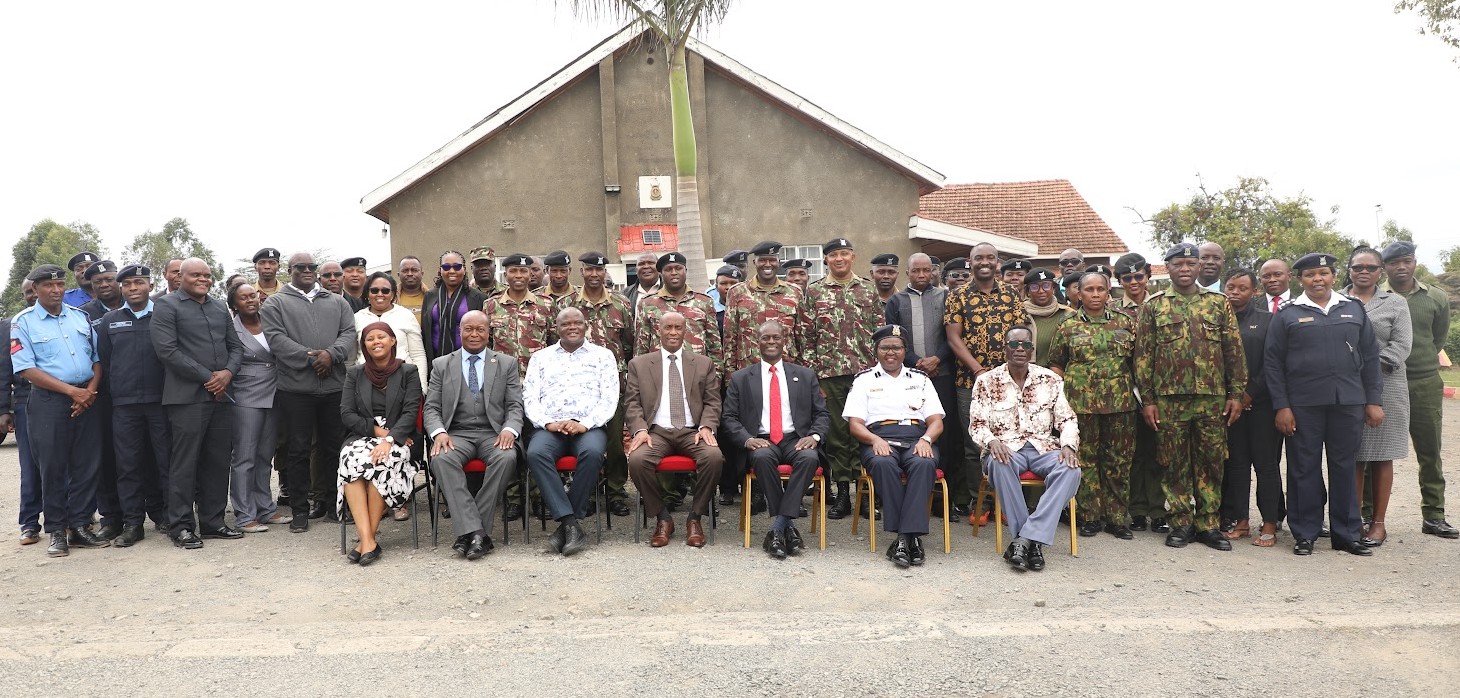
Director of Reforms, NPS and Guest of Honour, Mr. John N. Kamau (fourth seated), and EACC South Rift Regional Head, Mr. Kipsang Sambai (fifth seated), pose for a group photo with EACC staff and NPS Integrity Assurance Officers.
16:11:2026: The Ethics and Anti-Corruption Commission (EACC) has launched a five-day training programme for about 60 National Police Service (NPS) Integrity Assurance Officers to strengthen internal mechanisms for detecting, preventing and addressing corruption.
The training, running from November 16 to 20, 2026, is being held at the Regional K-9 Unit Headquarters in Nakuru and targets officers from the Rift Valley Region.
The initiative follows a systems review conducted by EACC early last year, which identified institutional and operational weaknesses exposing the police service to corruption risks. The training seeks to address these vulnerabilities through stronger internal prevention mechanisms, ethical leadership and enhanced accountability.
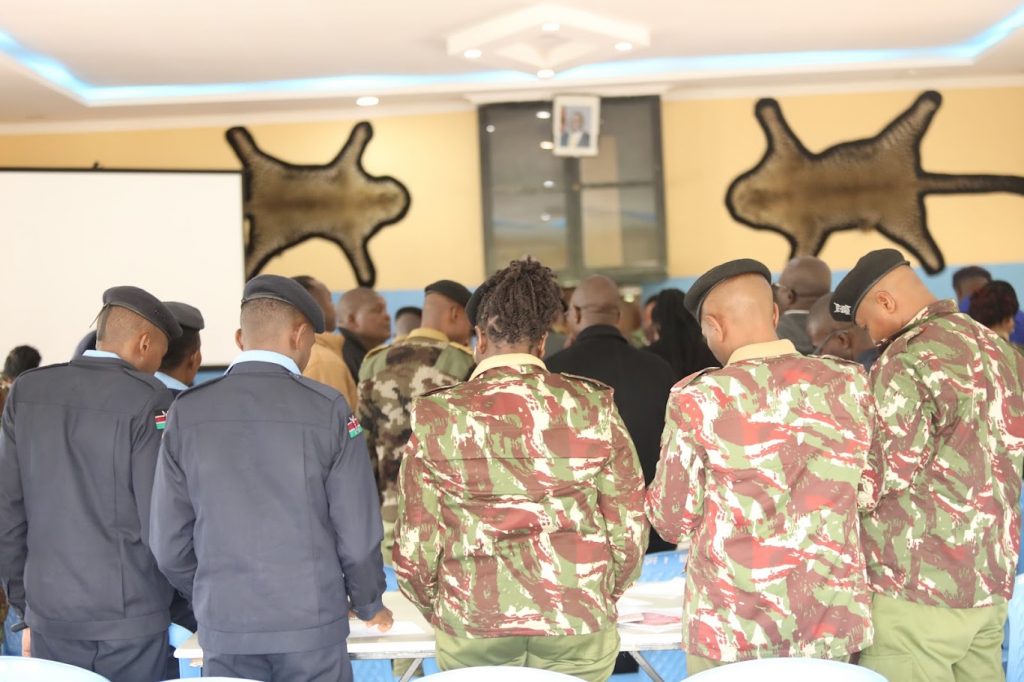
The programme focuses on corruption risk assessments, development of institutional anti-corruption policies, establishment of corruption-reporting mechanisms and monitoring the implementation of preventive initiatives.
Speaking during the opening ceremony, EACC South Rift Regional Manager Kipsang Sambai said integrity was fundamental to building public trust in law enforcement. He challenged participants to become integrity champions in their respective stations and translate the knowledge acquired into practical action.
Mr Sambai reaffirmed the Commission’s commitment to working with the NPS to promote ethics and accountability, noting that the fight against corruption was a shared national responsibility.
The Guest of Honour, NPS Director of Reforms John Kamau, urged the officers to discharge their responsibilities with dedication, courage and a strong sense of duty.
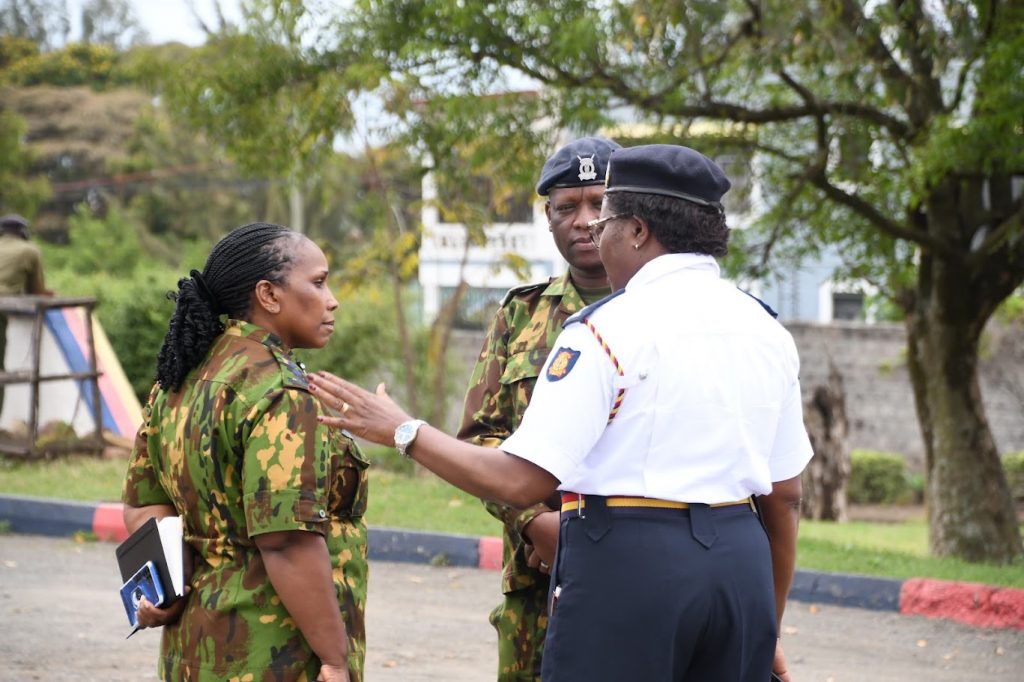
He noted that compromised integrity erodes public trust, weakens institutional credibility and undermines effective policing.
Upon completion, the officers are expected to spearhead corruption risk assessments, develop institutional anti-corruption frameworks, strengthen reporting channels and monitor preventive measures within their respective stations.
The training is being conducted by EACC through the Kenya Ethics and Anti-Corruption Academy (EACA), in collaboration with the NPS and the United Nations Office on Drugs and Crime (UNODC). The programme is also being rolled out in the Kisumu and Mombasa regions.