Police leadership, EACC chart path for integrity reforms
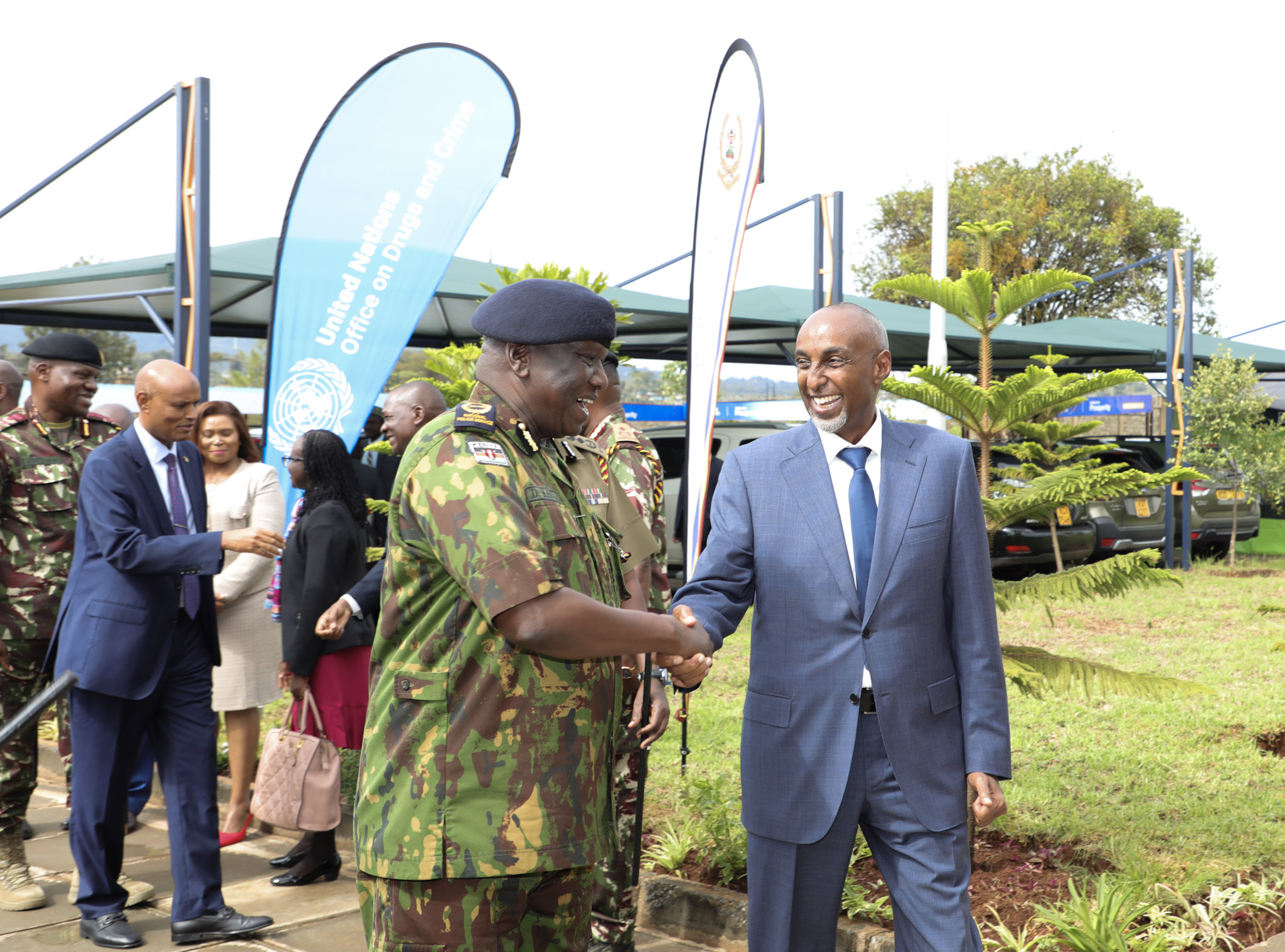
04:03:2026: The Ethics and Anti-Corruption Commission (EACC) and the National Police Service (NPS) have today reaffirmed their joint commitment to professionalizing the Service and strengthening integrity within its ranks.
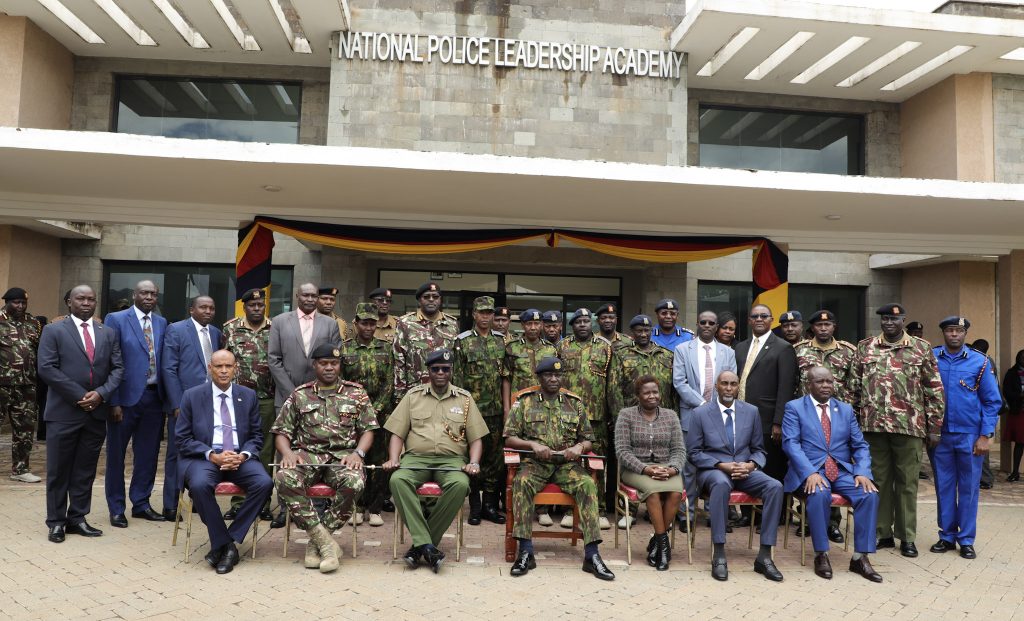
This was underscored at the National Police Service Leadership Academy in Ngong during the opening of a Capacity Building Session on Ethics and Integrity for the National Police Service leadership, including Regional Commanders, Directors, Commandants, Heads of Formations, and Regional Traffic Enforcement Officers.

While officiating the event, Inspector General (IG)of Police, Mr Douglas Kanja, described the engagement as “a moment for reflection, renewal, and reaffirmation of the values that define the Police as a disciplined, professional and accountable Service.”
The IG emphasized that effective policing goes beyond operational capability, highlighting that ethical conduct and institutional integrity are fundamental to meaningful reform. He further noted that the capacity-building initiative represents a deliberate shift from assessment to action, ensuring that recommendations translate into tangible transformation.
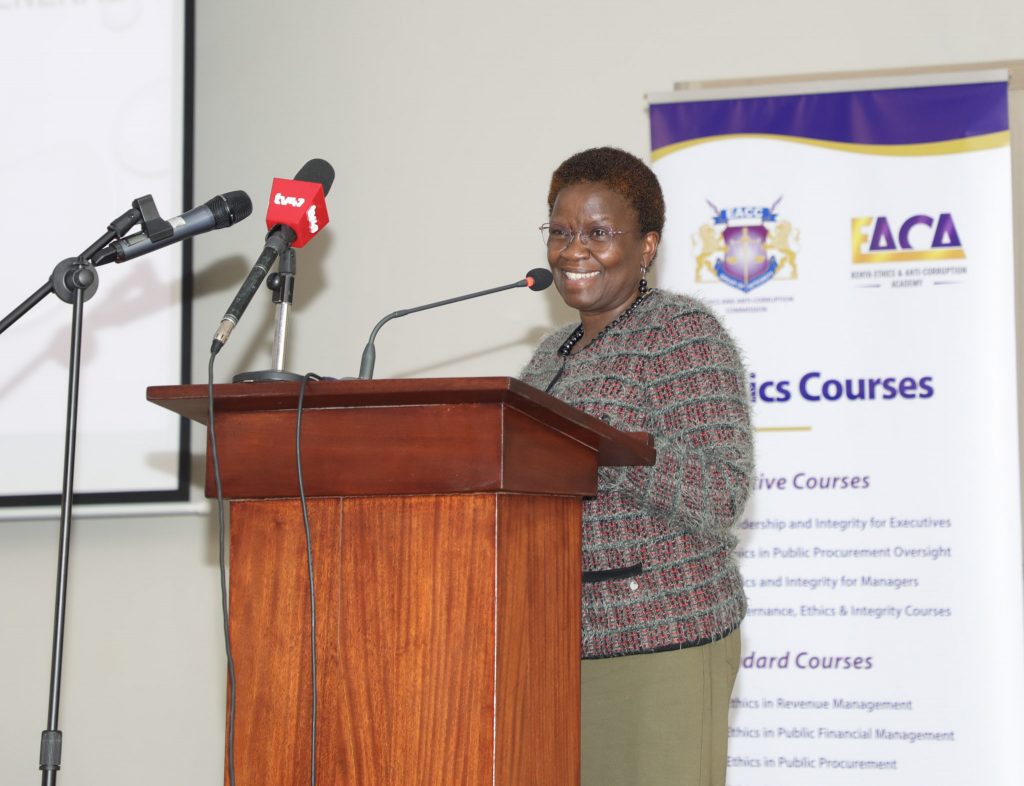
EACC Commissioner, Dr. Cecilia Mutuku, called on the National Police leadership to focus on three key areas: structural reform to address vulnerabilities at their root; measurable accountability to ensure commitments result in observable change; and cultural integration, embedding integrity into everyday command decisions, supervision, and performance evaluation.
EACC CEO, Mr. Abdi Mohamud, reaffirmed the Commission’s commitment to strengthening collaborative interventions that enhance governance, transparency, and accountability. He welcomed the recently announced reforms aimed at improving accountability in traffic law enforcement, including the proposed rollout of instant fines and expanded highway surveillance through technology.
Facilitated by the Ethics and Anti-Corruption Academy (EACA) with support from the United Nations Office on Drugs and Crime (UNODC), the session marks a key milestone in the ongoing police reform agenda and also forms part of the implementation of recommendations arising from the Systems Examination Report into the National Police Service conducted by the Commission last year.